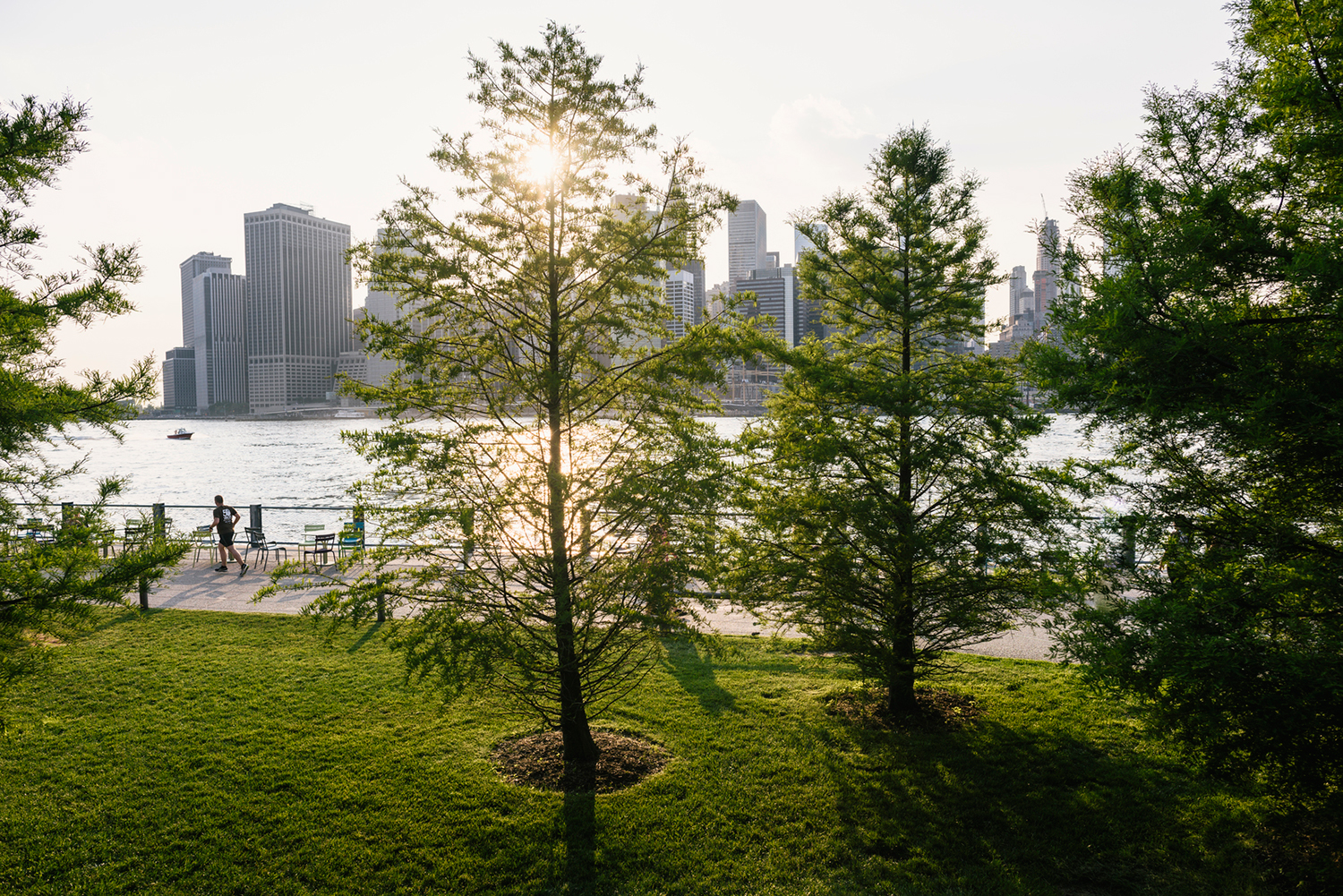
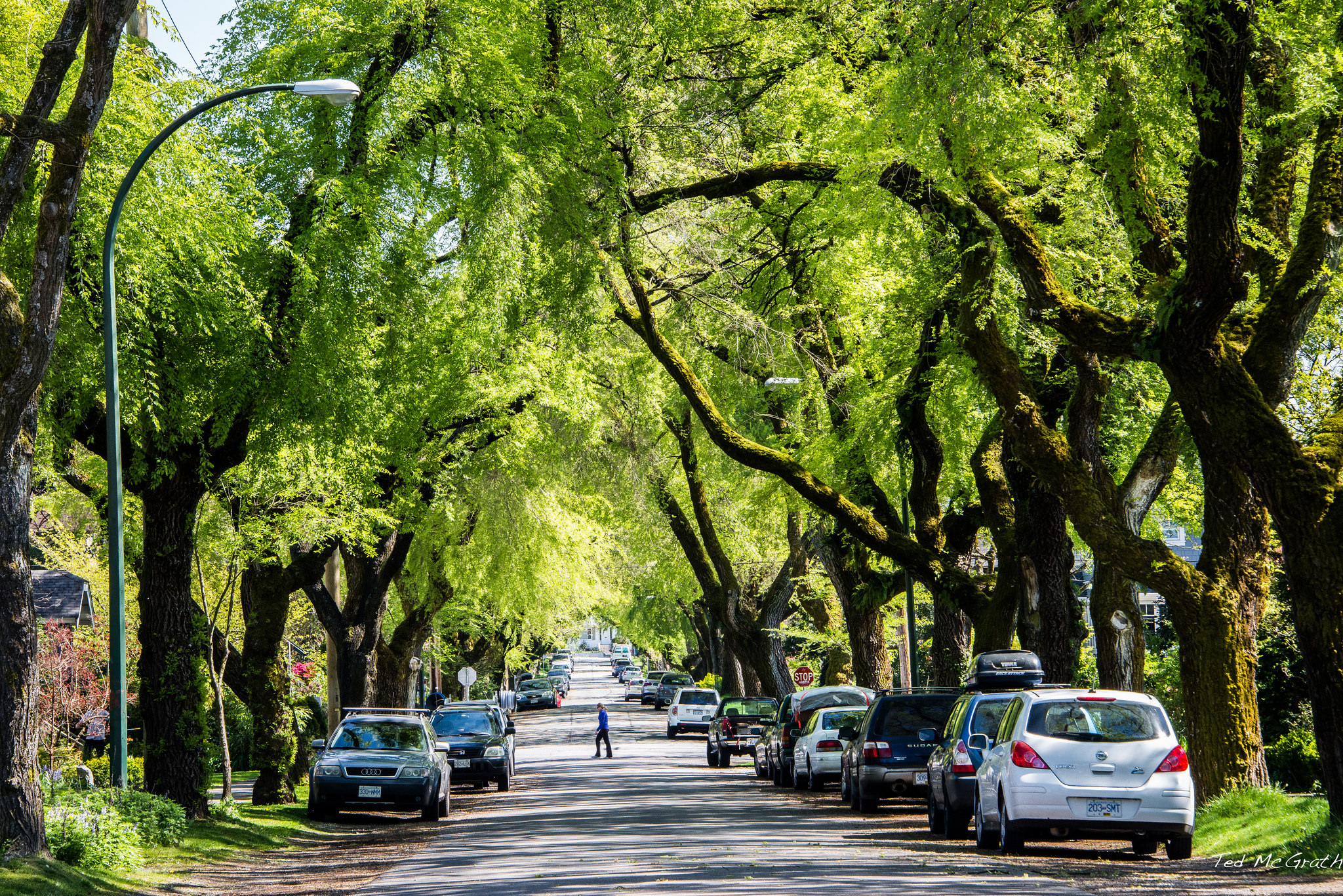
In recent decades, the rapid urbanisation of our planet has led to the emergence of concrete jungles that are often deprived of nature. Regreening, the process of reintroducing vegetation and green spaces into urban areas, is of paramount importance for the well-being of our communities and the planet as a whole:
1️⃣ Capturing carbon: trees absorb CO2 during photosynthesis and store carbon in their biomass, including trunks, branches, leaves, and roots. They act as carbon sinks, effectively removing CO2 from the atmosphere and helping to mitigate the greenhouse effect. As they grow, they continue to accumulate carbon over many years, acting as long-term reservoirs for carbon storage.
2️⃣ Climate change adaptation and resilience: regreening urban environments is a crucial step in adapting to and mitigating the effects of climate change. Green infrastructure, such as trees, green roofs and vertical gardens, can help regulate temperatures, reduce stormwater runoff, and improve overall resilience to extreme weather events. Trees and vegetation act as carbon sinks, sequestering atmospheric carbon dioxide and mitigating the impacts of greenhouse gas emissions.
3️⃣ Mitigating urban heat islands: urban areas tend to trap and absorb heat, resulting in what is known as the urban heat island effect. The abundance of concrete, asphalt, and other heat-absorbing materials can significantly raise temperatures, leading to discomfort, increased energy consumption, and potential health risks. Regreening helps combat this effect by providing shade, cooling the air through evapotranspiration, and reducing the need for excessive air conditioning. By introducing vegetation, such as trees and green roofs, we can mitigate urban heat islands and create more comfortable urban environments.
4️⃣ Improving air quality: urban environments are often plagued by air pollution, which poses a significant threat to human health. Regreening plays a vital role in purifying the air by absorbing carbon dioxide and other harmful pollutants while releasing oxygen. Trees, shrubs, and other vegetation act as natural filters, trapping particulate matter and reducing the presence of pollutants. By regreening urban areas, we can enhance air quality and create healthier living environments for residents.
5️⃣ Enhancing biodiversity and ecosystem services: urbanisation often leads to habitat destruction and loss of biodiversity. However, regreening initiatives can help restore and create habitats for a variety of plant and animal species. By reintroducing native vegetation, we attract birds, insects, and other wildlife, fostering ecological balance within cities. Moreover, green spaces in urban environments provide essential ecosystem services such as pollination, water filtration, and soil preservation.
6️⃣ Enhancing human health and wellbeing: green spaces have a profound impact on our physical and mental well-being. When urban areas are regreened, residents benefit from increased access to parks, gardens, and tree-lined streets. Research has shown that spending time in nature can reduce stress, improve mood, boost cognitive function, and promote physical activity. By regreening urban environments, we create healthier and happier communities, and restore nature equity for all.
7️⃣ Fostering Social Cohesion and Community Engagement: regreening initiatives have the power to bring communities together and foster a sense of pride and ownership. Participatory projects, such as community gardens or urban forestry programmes, allow residents to actively engage in the process of regreening their neighbourhoods. These shared green spaces become focal points for social interactions, creating opportunities for community bonding, educational activities, and local empowerment.
Regreening urban environments is not just an aesthetic improvement but a fundamental necessity for the well-being of our communities, the environment, and future generations. By prioritising and investing in regreening initiatives, we can create healthier, more sustainable, and vibrant cities that promote a harmonious coexistence between humans and nature.
Join Carbon Heroes and help us transform our concrete jungles into thriving, green urban oases!